Does COP of Air Source Heat Pump Unit Mean?
In the field of environmental protection HVAC (Heating, Ventilation and Air Conditioning), COP (Coefficient of Performance) is the core indicator for measuring the energy efficiency of air source heat pumps. Simply put, COP refers to the ratio of the thermal energy output by a heat pump per unit time to the electrical energy consumed during its operation. It directly reflects the energy conversion efficiency of the heat pump and is also a key reference for selecting and evaluating the performance of air source heat pumps. Kaiya Environmental Protection has been deeply engaged in the environmental protection equipment field and has always taken a high COP value as an important consideration in the R&D, selection and application of air source heat pump related products.
The calculation formula for COP is: COP = Output thermal energy ÷ Consumed electrical energy
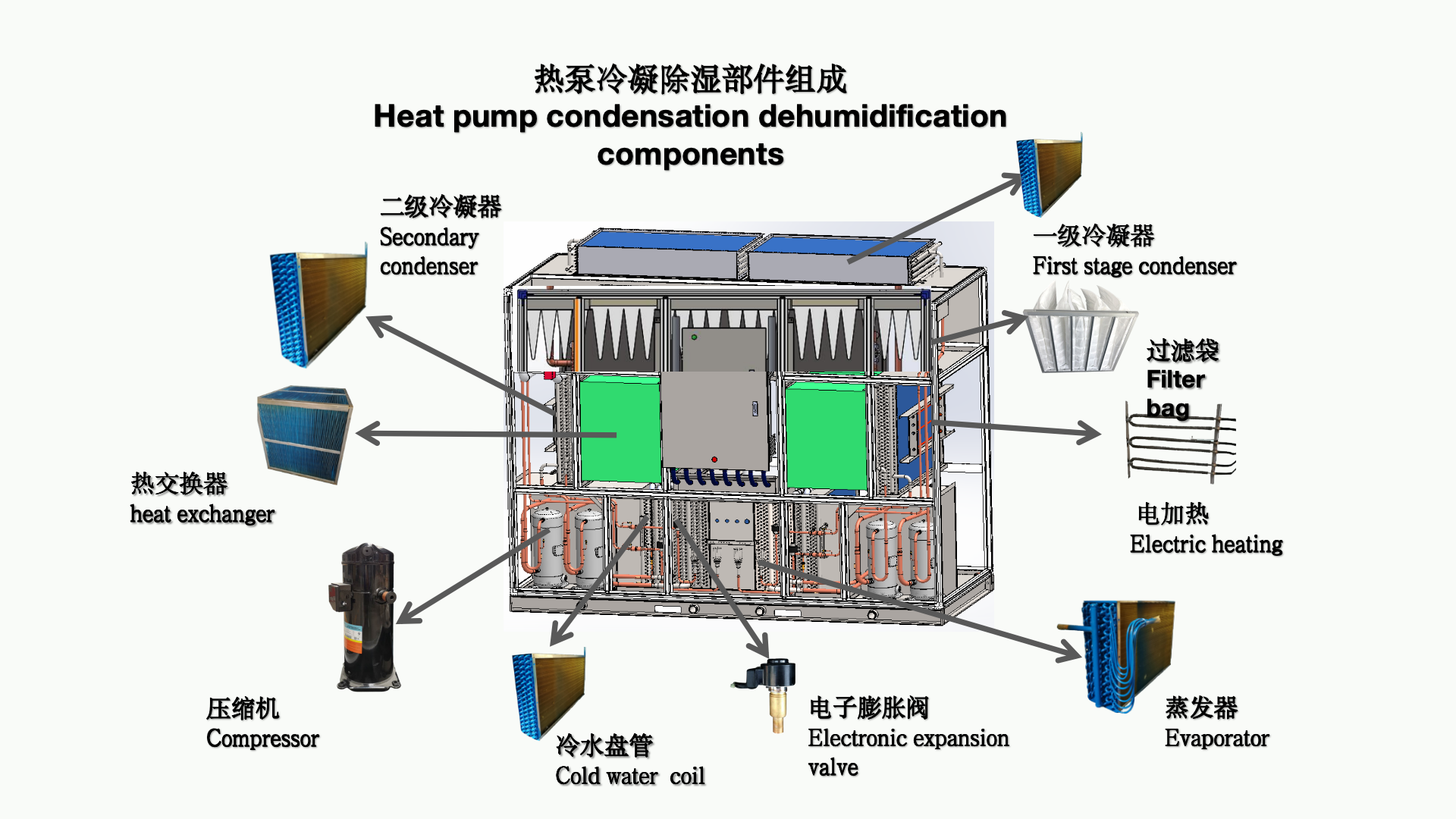
For a simple example, if the COP value of an air source heat pump is 3.0, it means that the heat pump can output 3 kilowatt-hours (kWh) of heat to the room for every 1 kilowatt-hour (kWh) of electrical energy it consumes, achieving efficient energy utilization. This is also the core energy efficiency logic that Kaiya Environmental Protection focuses on explaining to customers when recommending air source heat pump equipment.
The COP value of an air source heat pump is not fixed and is affected by various factors. In the actual project application, Kaiya Environmental Protection also provides customers with customized equipment selection and operation and maintenance suggestions based on these influencing factors. The main influencing factors include the following three points:
Ambient temperature: Ambient temperature is positively correlated with the COP value. The higher the temperature, the higher the COP value of the heat pump and the better the heating efficiency; the COP value will decrease accordingly in low-temperature environments. According to the regional climatic characteristics of customers' usage scenarios, Kaiya Environmental Protection recommends high-COP air source heat pump models adapted to low/high temperature environments.
Heat pump technology and design: Heat pumps with different technical routes have obvious differences in energy efficiency. For example, variable-frequency air source heat pumps can dynamically adjust their operating status according to actual heating needs, which can effectively improve the COP value compared with fixed-frequency models. Kaiya Environmental Protection always selects air source heat pump products adopting advanced variable-frequency technology and optimized flow channel design to ensure the long-term and efficient operation of the equipment.
System maintenance and operation: Regular professional maintenance and standardized operation of heat pump units can maintain the good operating status of the equipment and avoid the decline of COP value caused by component aging, scaling and other problems.
An air source heat pump with a high COP value can output more thermal energy under the premise of consuming the same amount of electricity, which can not only greatly reduce customers' daily energy costs, but also reduce power consumption and carbon emissions, which is highly consistent with Kaiya Environmental Protection's development concept of practicing green environmental protection and energy conservation and consumption reduction. Therefore, when selecting air source heat pump units for customers, Kaiya Environmental Protection takes the COP value as the core reference indicator, and combines customers' actual usage needs to recommend cost-effective and high-energy-efficiency environmental protection HVAC equipment, helping customers achieve the dual benefits of energy conservation and environmental protection.
Related News
With more than 10 precision production lines, we have an excellent technical and design team to provide you with high-quality products with preferential prices.
Privacy Policy
Tel: 400-9926-919
E-mail: zhangshuangandyss@gmail.com
Address: Building 4, Innovation and Entrepreneurship Industrial Park Economic Development Zone, Taizhou City, Jiangsu Province