5 Major Causes of Sludge Deflocculation and Corresponding Solutions
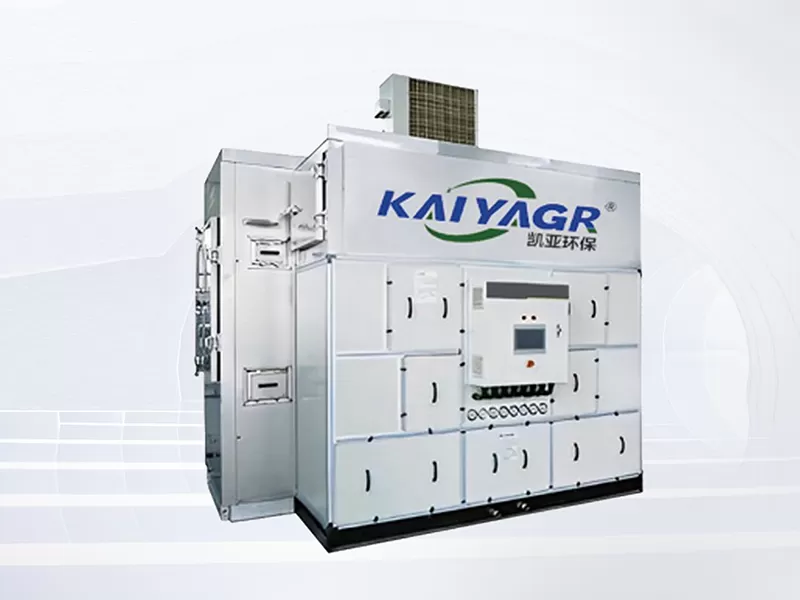
All sludge dewatering equipment launched by Kaiya Environmental Protection adopts physical dewatering technology, and flocculants or coagulants need to be added to the sludge to achieve flocculation effect. In actual operation, sludge deflocculation may be caused by the following five reasons.
1. Nutrient Deficiency
Microorganisms in sludge require sufficient nutrients to maintain normal growth and metabolism. Insufficient nutrients (such as nitrogen and phosphorus) in the influent water will hinder the normal growth of microorganisms, leading to sludge deflocculation.
Solution: Supplement nutrients. Reasonably add nitrogen, phosphorus and other nutrients according to the water quality of the influent to ensure microorganisms have adequate nutrients for growth and metabolism.
2. Excessively Low Water Temperature
Low temperature impairs the activity and metabolic rate of microorganisms. In the case of excessively low water temperature, the slow growth of microorganisms in sludge may result in deflocculation.
Solution: Control water temperature. In winter or when the water temperature is low, take thermal insulation measures such as adding insulation layers and raising the influent temperature to maintain the normal operation of the sludge system.
3. Abnormal pH Value
Microorganisms in sludge have a specific adaptive range of pH value. An excessively high or low pH value of the influent water, which exceeds the tolerance range of microorganisms, may damage the sludge structure and cause deflocculation.
Solution: Adjust pH value. Regularly monitor the pH value of the influent water; if abnormal, take timely measures such as adding acid-base neutralizers to keep the pH value within the appropriate range (usually 6-9).
4. Toxic Substances
Toxic substances to microorganisms (such as heavy metals and organic compounds) in the influent water may cause the death or activity inhibition of microorganisms, thus leading to sludge deflocculation.
Solution: Remove toxic substances. Strengthen the pretreatment of influent water to remove or reduce the concentration of toxic substances. If complete removal is impossible, mitigate the impact of toxic substances on sludge by increasing sludge concentration and improving the tolerance of microorganisms.
5. Excessive Aeration
Aeration is intended to supply oxygen required by microorganisms, but excessive aeration will subject sludge flocs to excessive shear force, resulting in deflocculation.
Solution: Optimize aeration. Reasonably adjust the aeration intensity and duration according to the sludge properties and treatment requirements to avoid excessive aeration. The appropriate aeration parameters can be determined by observing indicators such as sludge settling performance and dissolved oxygen concentration.
Related News
With more than 10 precision production lines, we have an excellent technical and design team to provide you with high-quality products with preferential prices.
Privacy Policy
Tel: 400-9926-919
E-mail: zhangshuangandyss@gmail.com
Address: Building 4, Innovation and Entrepreneurship Industrial Park Economic Development Zone, Taizhou City, Jiangsu Province